Streatham Rubbish Removal near Streatham Hill station
Posted on 27/07/2026
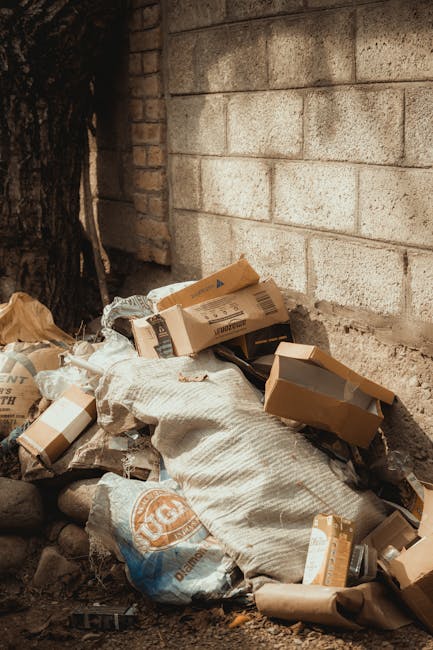
Streatham Rubbish Removal near Streatham Hill station: a practical local guide for homes, landlords, and businesses
If you need Streatham Rubbish Removal near Streatham Hill station, you probably want one thing above all else: a quick, sensible way to get clutter out without turning your day upside down. Maybe it is an end-of-tenancy clear-out, a post-renovation mess, a sofa that will not fit down the stairs, or just that strange pile of "I'll deal with it later" items that has quietly grown in the corner. We get it. Around a busy station area, timing matters, access matters, and nobody wants a collection job that blocks the pavement or drags on all afternoon.
This guide breaks down how local rubbish removal typically works, what to expect near Streatham Hill station, how to compare options, and how to avoid the usual headaches. You will also find a checklist, a comparison table, and a few grounded, real-world tips that make the process easier than it first looks.
Why Streatham Rubbish Removal near Streatham Hill station Matters
Streatham Hill station sits in a part of south London where everyday life moves quickly. Flats, terraces, shared houses, small businesses, and renovation projects all generate waste in bursts rather than neatly on a schedule. That is exactly why local rubbish removal is useful: it gives you a flexible way to clear unwanted items without waiting around for the perfect skip delivery slot or trying to squeeze bulky waste through a narrow hallway. Let's face it, some homes near the station are not designed for easy lifting.
Location also changes the job. Streets near the station can be busier, parking can be awkward, and access may be tighter during commuter hours. A good rubbish removal service understands that and plans around it. That usually means a clearer collection window, better loading discipline, and less disruption for neighbours, pedestrians, or the people next door who are trying to leave for work with a coffee in one hand and a very full bag in the other.
There is a practical side too. Waste left too long can attract complaints, create trip hazards, and simply make a place feel less manageable. For landlords, letting agents, homeowners, and local business owners, a tidy space is not just about appearances. It helps keep projects moving. If you are planning a bigger property clean-up, it can also help to review the wider services overview so you can choose the right type of clearance from the start.
How Streatham Rubbish Removal near Streatham Hill station Works
In simple terms, rubbish removal is the collection, loading, and lawful disposal or sorting of unwanted items from your property. The exact process depends on the type of waste, the amount, and how accessible the property is. Near Streatham Hill station, the access question often matters as much as the waste itself. A sofa on the ground floor is one thing; a full loft clearance from a top-floor flat with one narrow staircase is another entirely.
Most jobs follow a fairly familiar pattern:
- You describe what needs removing and where it is located.
- The collection team estimates the volume, access, and any special handling.
- A price or quote is agreed, usually based on load size, labour, and disposal requirements.
- The team arrives, loads the waste, and clears the area.
- Items are then sorted for reuse, recycling, or disposal where appropriate.
That sounds straightforward, and often it is. But the small details matter. For example, a pile of mixed household junk is not the same as builder's rubble, and an office clearance has different needs again. If the job is tied to refurbishment or demolition, a dedicated page such as builders waste clearance Streatham may be the better fit than a general pick-up.
Sometimes people confuse rubbish removal with skip hire. The difference is pretty practical: with rubbish removal, the team does the lifting and takes the waste away. With a skip, you or your contractor load it yourselves. Both can work, but not always in the same situation. More on that later.
Key Benefits and Practical Advantages
There are plenty of reasons people choose rubbish removal over a do-it-yourself clear-out, especially in a station area where time and space are at a premium.
- Less physical strain: No dragging heavy items to a roadside skip or wrestling with awkward furniture down stairwells on your own.
- Faster turnaround: You can usually clear a room, flat, garage, or office in one visit, which is handy when keys are changing hands or a builder is waiting to start.
- Better for tight access: Narrow streets, controlled parking, and busy foot traffic are easier to manage with a collection team than with a large skip left outside for days.
- More flexible than many people expect: You do not always need a huge load. A few bulky items can still be worth collecting if they are in the way.
- Cleaner finish: A proper clearance usually leaves the area swept and ready for the next step, whether that is decorating, moving, or reopening the room.
There is also a mental benefit people underestimate. A cluttered home can make small jobs feel bigger than they are. Once the waste is out, the space feels calmer. You notice the room again. That matters, even if the job was "only" a couple of bin bags and a broken wardrobe.
If sustainability is important to you, it helps to choose a provider that prioritises sorting and responsible disposal. You can read more about this approach on the recycling and sustainability page. It is a useful reminder that not everything needs to end up in landfill, and in fairness, many customers care about that now.
Who This Is For and When It Makes Sense
Streatham Rubbish Removal near Streatham Hill station is useful for a wide range of people, not just someone doing a massive house clear-out. In practice, the common scenarios are often ordinary ones.
- Homeowners: for decluttering, spring cleaning, garage mess, or post-decorating waste.
- Tenants: for end-of-tenancy items, unwanted furniture, or a last-minute clean-up before handing back the keys.
- Landlords and letting agents: for clearing left-behind items between occupancies.
- Local businesses: for office furniture, archived paperwork, old displays, or general office clutter.
- Tradespeople and renovators: for plaster, timber offcuts, packaging, and mixed building debris.
- People dealing with life changes: bereavement clearances, downsizing, or preparing a property for sale.
It also makes sense when the waste is awkward. Think mattresses, wardrobes, broken chairs, garden cuttings, or the kind of mixed junk that does not suit a single household bin. If the job is mostly household items, a specialist house clearance Streatham service can be the more practical route. For smaller, mixed loads, a junk removal Streatham option may be enough.
And if you are not sure whether you need a full clearance or just a straightforward pick-up, that is completely normal. A quick review of the type of waste usually makes the answer clearer than you think.
Step-by-Step Guidance
If this is your first time arranging a local collection, keep it simple. A tidy process makes for a tidy result.
- Sort the waste into broad groups. Separate furniture, general rubbish, garden waste, and anything that might need special handling. You do not need to over-organise it, just make it visible.
- Check access. Measure doorways, note stairs, and think about whether parking will be easy or a pain. Near Streatham Hill station, timing can be half the battle.
- Photograph larger items. A few clear photos help with estimating volume and difficulty. One picture often says more than five paragraphs, annoyingly enough.
- Ask how the waste will be handled. Good providers can explain what will be reused, recycled, or disposed of appropriately.
- Confirm the collection window. Make sure you know when the team will arrive and what should be ready beforehand.
- Prepare the space. If you can, clear a route to the items, protect nearby surfaces, and keep pets or children out of the way.
- Review the final load before it leaves. This is the moment to check nothing was missed and that the team has the correct waste type.
For some customers, especially those with a mix of office equipment or file storage, a broader office clearance Streatham service makes life easier because it handles dismantling, loading, and sorting in one go. That can save an entire afternoon, sometimes more.
If you want an idea of costs before booking, it is worth starting with pricing and quotes. A little planning up front usually avoids the awkward "oh, we didn't realise that was extra" moment nobody enjoys.
Expert Tips for Better Results
After plenty of clearances, a few patterns become obvious. The best outcomes usually come from small bits of preparation, not dramatic effort.
- Book around access, not just your own schedule. A quiet weekday slot may be easier than a rushed late-afternoon collection near station traffic.
- Be honest about volume. Underestimating the load can lead to delays or revised pricing. It is better to be slightly generous in your estimate.
- Keep mixed waste separate where possible. Clean cardboard, furniture, and garden waste are easier to process than a single unsorted pile.
- Move small loose items into one place. That saves labour time and makes the job smoother.
- Ask what is not accepted. Some items need special handling, and it is better to know beforehand than to find out when the van arrives.
One small but useful habit: keep a "do not take" corner if there are items you still need. It sounds obvious, but when people are rushing to clear a room, important things can disappear into the pile by mistake. Happened more than once, truth be told.
If you have bulky items that are still in decent shape, ask whether they can be directed into reuse streams rather than treated as ordinary waste. A good provider should be able to explain the difference in plain English, no jargon theatre required.

Common Mistakes to Avoid
A lot of rubbish removal stress comes from avoidable mistakes. None of them are dramatic, but they can turn a simple job into a messy one.
- Leaving everything until the last minute. This is especially painful if you are moving out or waiting for a builder to start.
- Guessing the amount of waste with no check. A "small pile" can become two full loads very quickly.
- Ignoring access issues. Parking restrictions, staircases, and narrow hallways affect timing and labour.
- Mixing restricted items with general rubbish. That can complicate the job and, in some cases, prevent collection.
- Choosing only on price. The cheapest option is not always the best value if it leaves you doing extra work later.
Another common slip is forgetting to check whether you actually need a specialist service. A garden pile is not the same as a loft clear-out, and a builder's skip-style load is not the same as removing a single old sofa. The right match saves time, money, and a fair bit of grumbling.
If the job involves a lot of plant matter or outdoor waste, a dedicated garden waste removal Streatham service may be the cleaner solution. Likewise, for a garage full of accumulated odds and ends, garage clearance Streatham is often the easiest way to cut through the clutter.
Tools, Resources and Recommendations
You do not need a van full of gear to prepare for rubbish removal, but a few simple tools can make the process smoother.
- Gloves: useful for sorting sharp, dusty, or rough items.
- Heavy-duty bags: better for mixed light waste than standard kitchen liners.
- Tape measure: helpful for furniture, awkward corners, and stair width checks.
- Phone camera: ideal for photographing items before booking.
- Marker pen or sticky notes: useful if you need to label items to keep, donate, or remove.
For service planning, three internal pages are especially handy. First, rubbish clearance Streatham for general domestic and mixed waste. Second, waste removal Streatham if you want a broader overview of collection and disposal. Third, furniture disposal Streatham if the job is mostly bulky items. That combination usually covers the most common reader questions without overcomplicating things.
For background on the business and the people behind the service, the about us page helps build a better feel for how the company works. And if you want to talk through a specific job, you can always use the contact page when you are ready.
Law, Compliance, Standards, or Best Practice
Rubbish removal is not just a logistics job. In the UK, waste must be handled responsibly, and that includes making sensible checks around disposal, recycling, and duty of care. You do not need to become an expert in waste law to book a collection, but you should expect the provider to work in a lawful and professional way.
In practical terms, that means a few things. Waste should be transported appropriately, handled safely, and taken to legitimate disposal or recovery facilities. If a provider cannot explain what happens to your waste in simple terms, that is a warning sign. Not necessarily a disaster, but it is worth pausing.
For customers, the best practice is to keep records where appropriate, especially for business clearances. If you are clearing an office, retail space, or rented property, it can be smart to note what was removed and when. That is not about being fussy; it is about avoiding awkward questions later.
Safety matters too. Heavy lifting, dust, sharp edges, old electrical items, and damp materials all bring risks. A responsible team should be able to manage those risks sensibly. If you want a bit more reassurance on this side of things, the insurance and safety information is worth a look before booking.
For online payments, privacy, and general terms, it is reasonable to check the relevant policy pages too. Those details are not glamorous, no, but they matter when you are trusting a company with access to your home or business. It is the unexciting stuff that often keeps everything smooth.
Options, Methods, or Comparison Table
Choosing between rubbish removal, skip hire, or a more specific clearance service depends on the job. Here is a simple comparison to make that decision easier.
| Option | Best for | Main advantage | Possible drawback |
|---|---|---|---|
| Rubbish removal | Mixed household waste, bulky items, quick clear-outs | Team does the lifting; fast and convenient | Can be less ideal for long-term, self-managed loading |
| Skip hire | Longer DIY projects, ongoing builders' waste, repeated loading | Good if you want to load waste over time | Needs space and access; skip may sit outside for longer |
| Specialist clearance | House, garage, loft, office, or garden-specific jobs | Better match for the type of waste involved | Less flexible if the load is very small or very mixed |
If you are dealing with a renovation, the specialised route can be smart. For example, loft clearance Streatham is a much better fit than a generic pick-up when access is tight and the items are dusty, awkward, or packed into boxes from three moves ago. We all know those boxes.
Likewise, if you are comparing different collection styles, skip hire Streatham is worth considering only when you genuinely have the space, time, and labour to make it worthwhile. Otherwise, rubbish removal tends to feel simpler.
Case Study or Real-World Example
A typical real-world scenario near Streatham Hill station might look like this: a two-bedroom flat has just been emptied after a tenancy ends. There is a broken bed base, a sagging armchair, some old kitchen bits, half a dozen bags of mixed rubbish, and a few boxes of items the tenant forgot to remove. The stairwell is narrow. Parking is limited. It is raining, because of course it is.
In that situation, the owner or agent needs the job done fast and cleanly so the flat can be photographed, refreshed, and relisted. A rubbish removal team that understands local access can arrive with the right vehicle, load items efficiently, and avoid leaving the hallway in a mess. The result is not just an empty room. It is a property ready for the next stage.
Now compare that with a small family in a terrace off the station who is clearing the garage on a Sunday morning. They do not need a huge project plan. They need a fair estimate, a careful load, and somebody who can remove old furniture, broken toys, and a few bags of recycling without turning the driveway into a long argument. Different need, same basic service, but the detail matters.
That is the thing people often miss: rubbish removal is not really about rubbish. It is about making space for the next step, whether that is moving, renovating, reopening, or simply breathing a bit easier in your own home.
Practical Checklist
Use this quick checklist before booking your collection.
- Sort items into rough categories: furniture, general rubbish, garden waste, or builder's waste.
- Take a few photos of the load from different angles.
- Check stairs, lift access, and doorway width.
- Think about parking or stopping space near Streatham Hill station.
- Remove anything you are keeping before the team arrives.
- Ask whether the service suits your exact load.
- Confirm timing and any collection requirements in advance.
- Keep pets and children away from the working area.
- Review safety and payment information before you book.
- Make sure the space is clear enough for the team to work efficiently.
Quick takeaway: the smoother the access and the clearer the waste type, the easier and more cost-effective the job usually becomes. Simple, but true.
Get a free quote today and see how much you can save.
Conclusion
Streatham Rubbish Removal near Streatham Hill station is really about convenience with common sense attached. When access is tight, timing matters, and you want the job done properly, a local collection service can save time, reduce stress, and leave you with a space that feels usable again. It is a practical solution for households, landlords, tradespeople, and small businesses alike.
If you are planning a clear-out, start by working out what needs removing, how easy it is to access, and whether you need a general collection or a more specific service. Once that is clear, the rest tends to fall into place quite neatly. And when it does, there is a nice feeling to it - that quiet sense that something complicated has finally been dealt with.
For anyone living or working near the station, that kind of relief is worth a lot.



 Tipper Van - Rubbish Removal and Loft Clearance Prices in Streatham, SW16
 Luton Van - Rubbish Removal and Loft Clearance Prices in Streatham, SW16